
Lease Agreement Templates
Lease agreements are essential documents that set out the terms for renting property between landlords and tenants, detailing rent, security deposits, and lease duration.
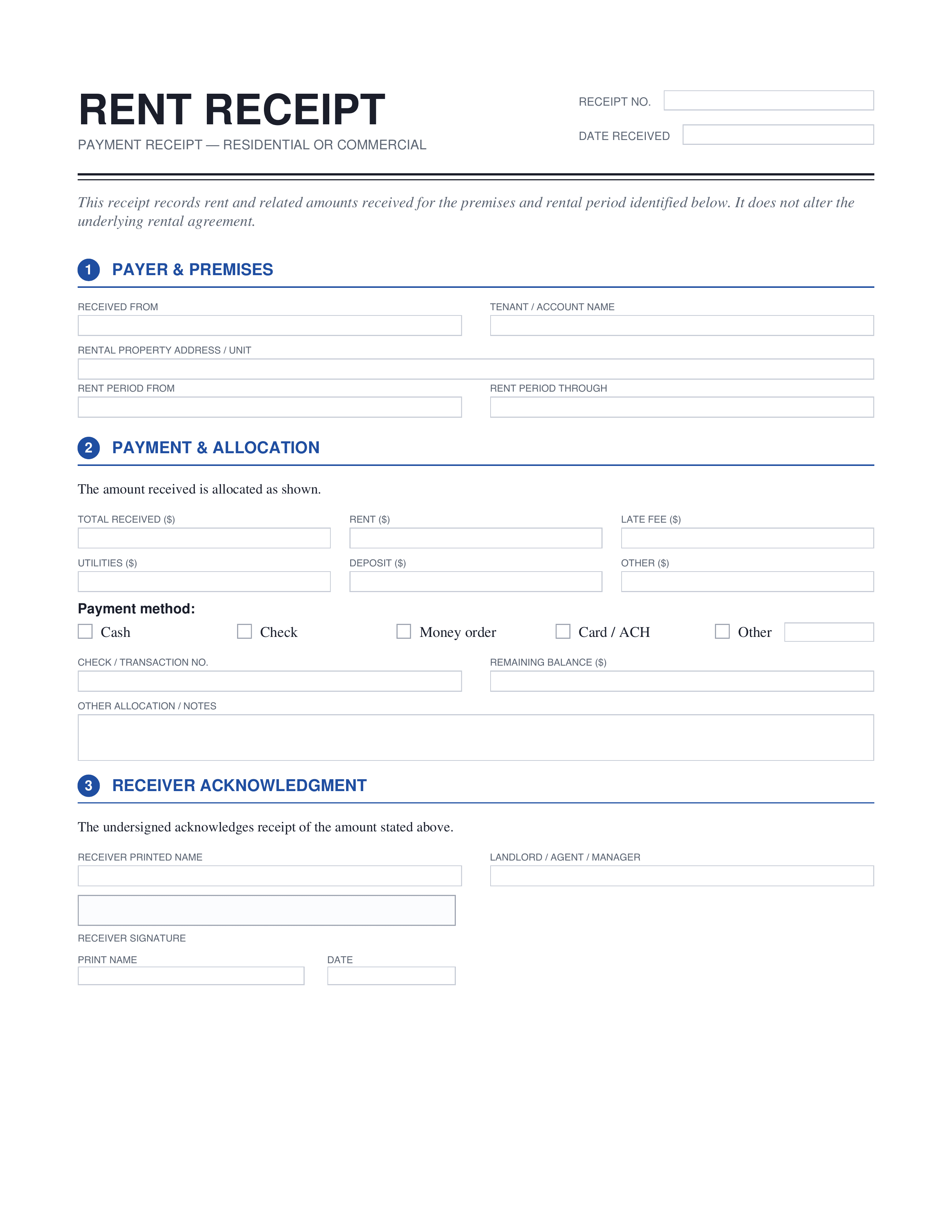
Rent Receipt
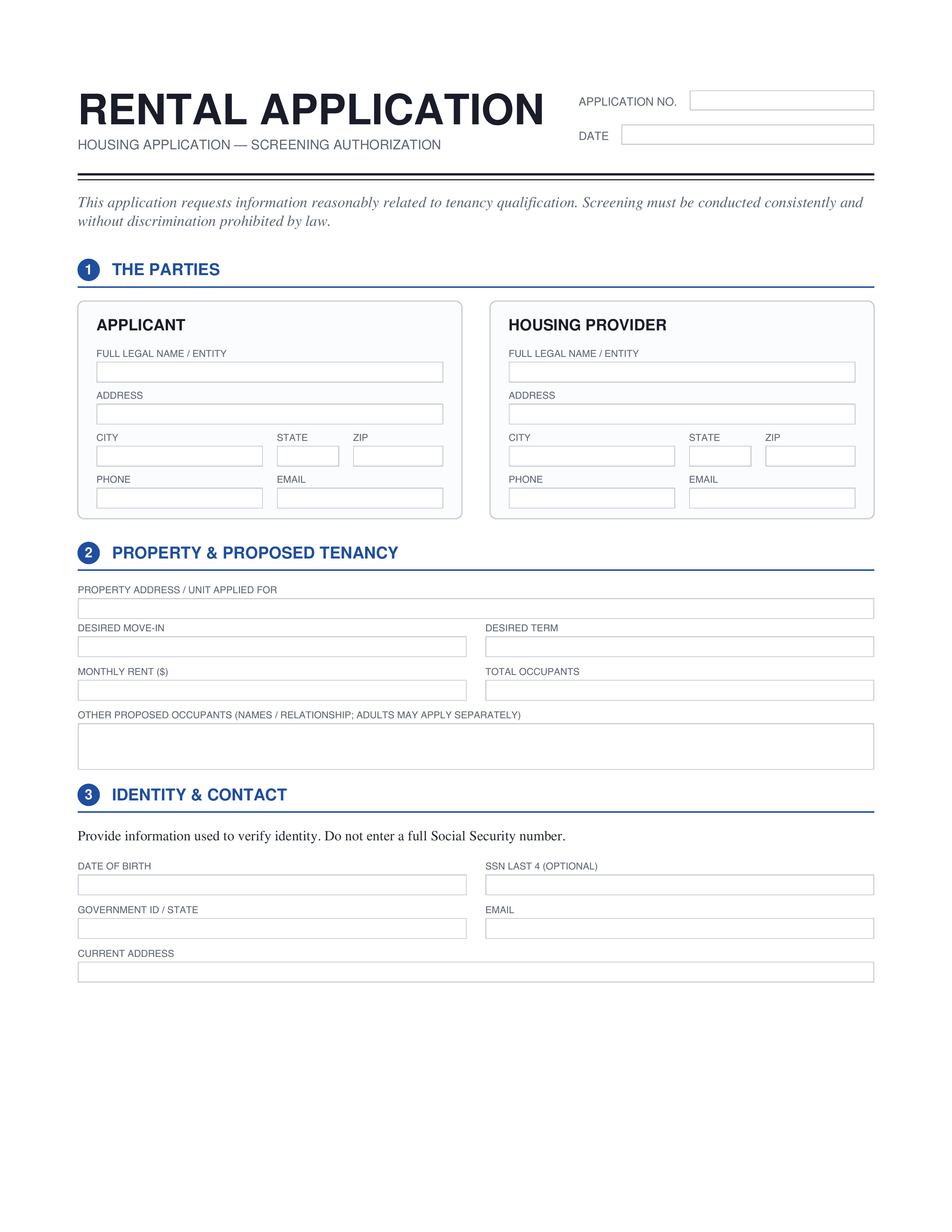
Rental Application
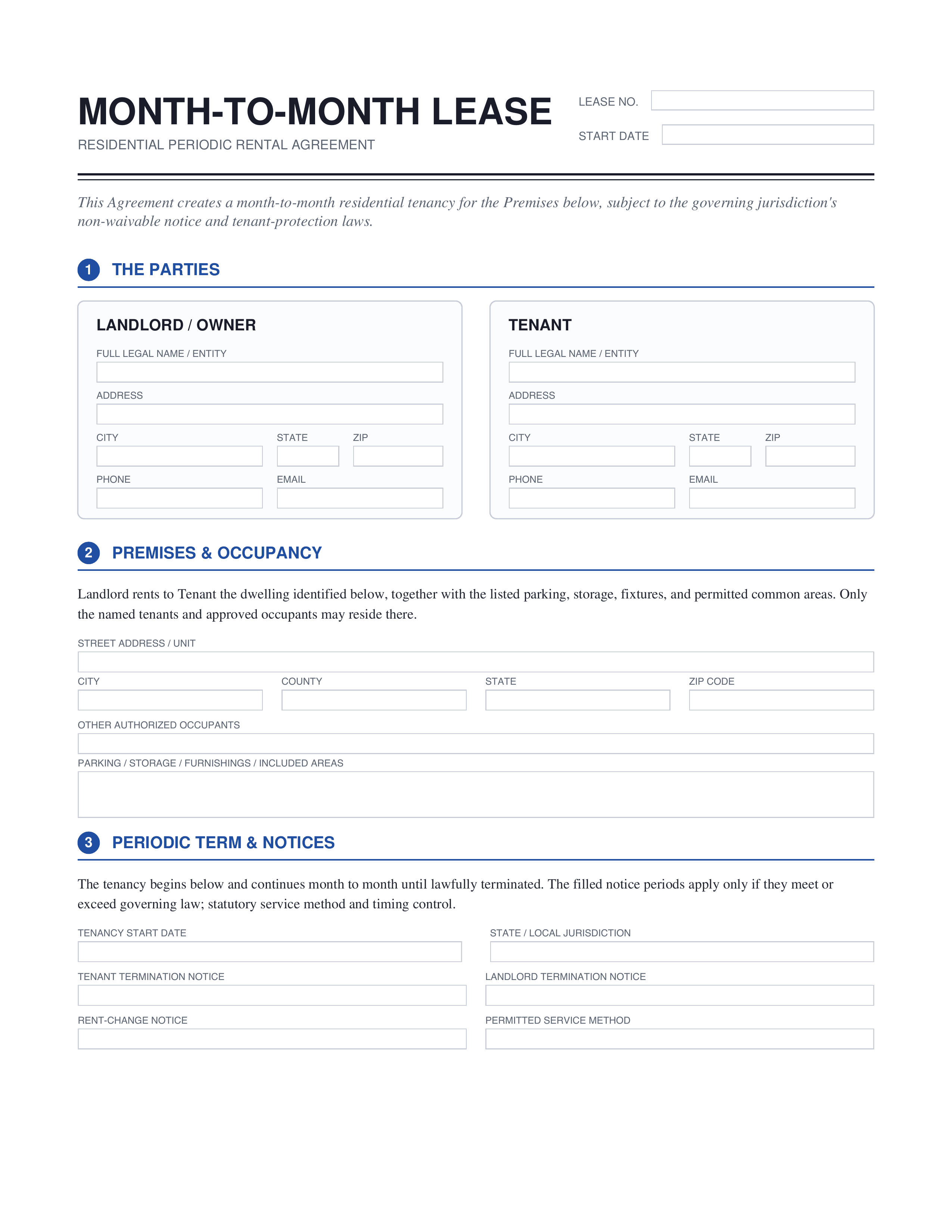
Month-to-Month Lease Agreement
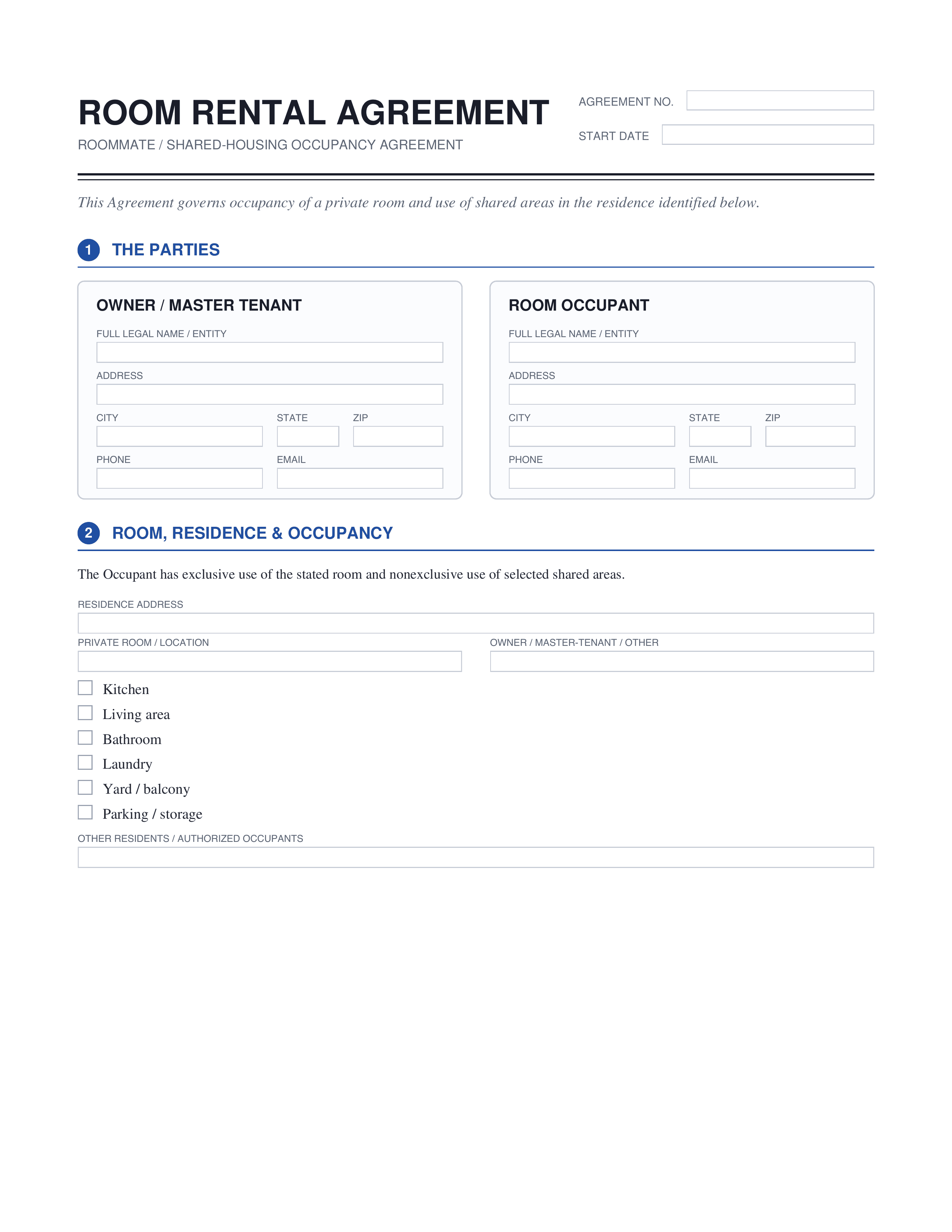
Room Rental Agreement
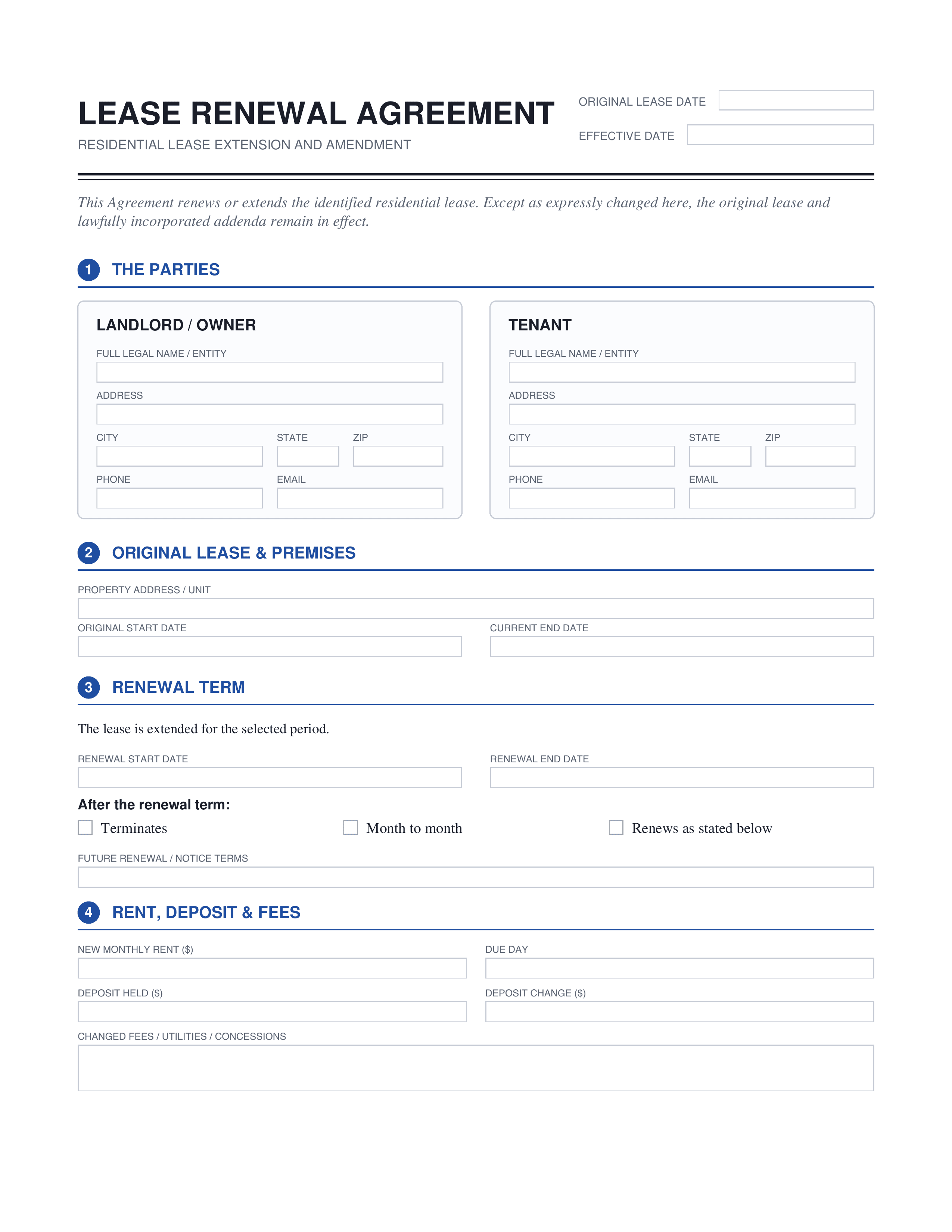
Lease Renewal Agreement
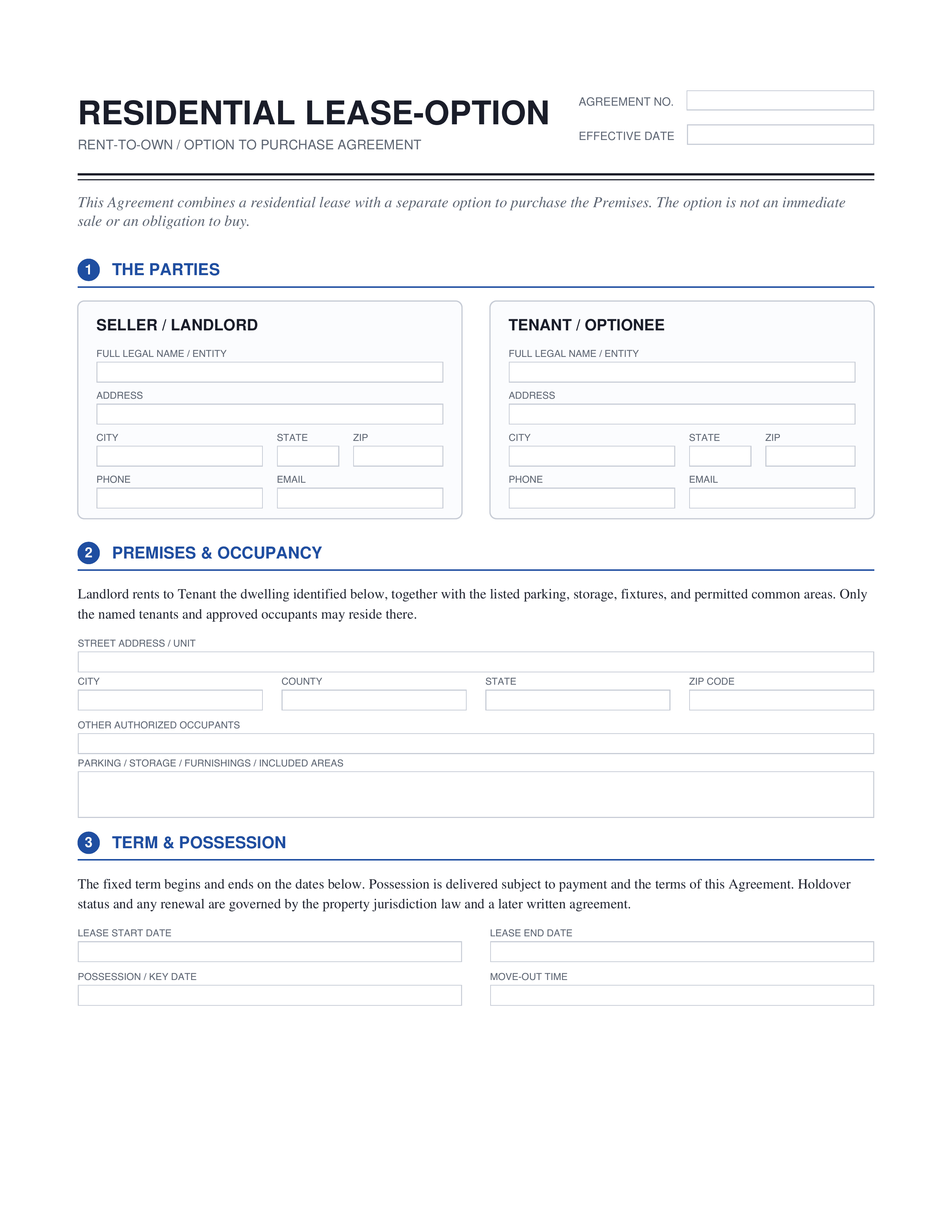
Rent to Own Agreement
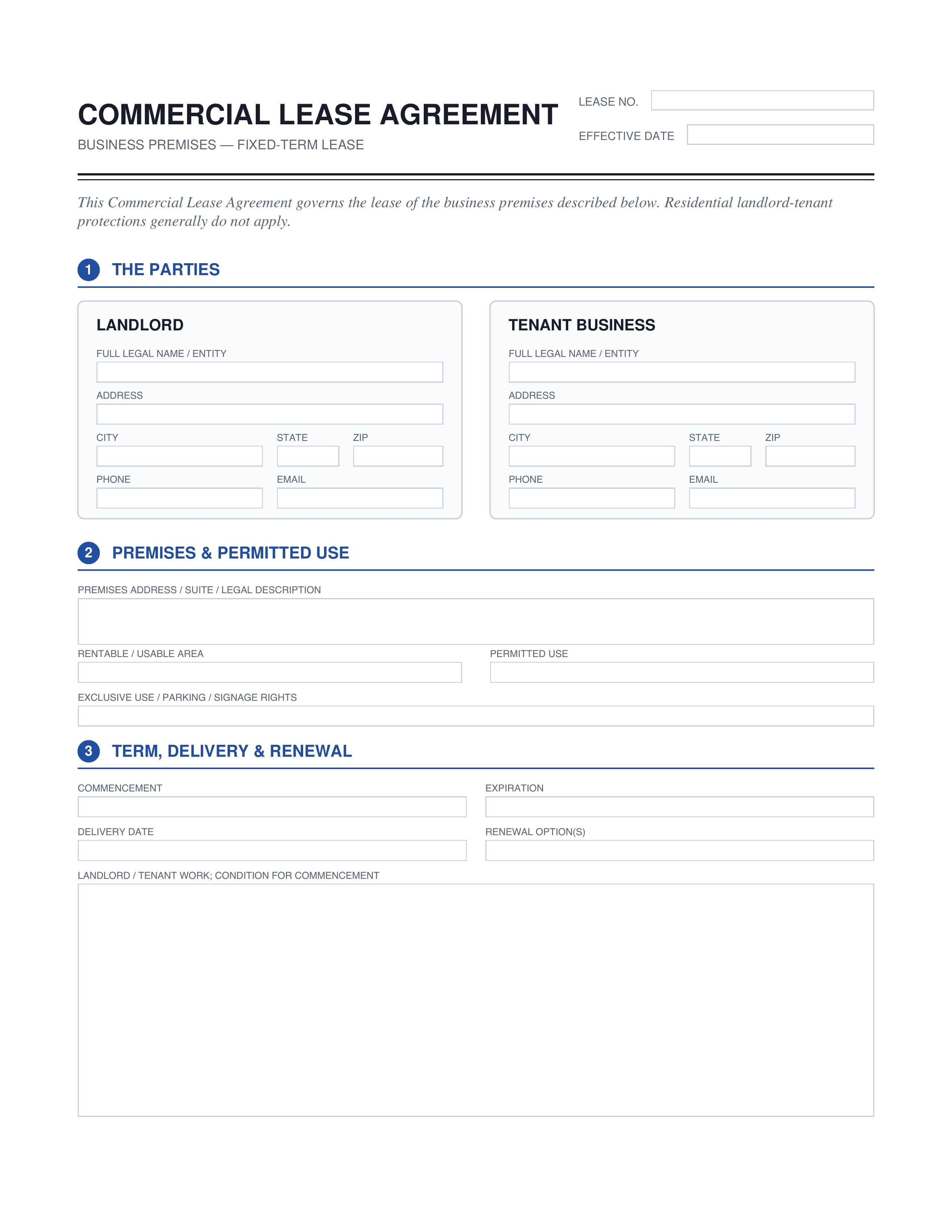
Commercial Lease Agreement
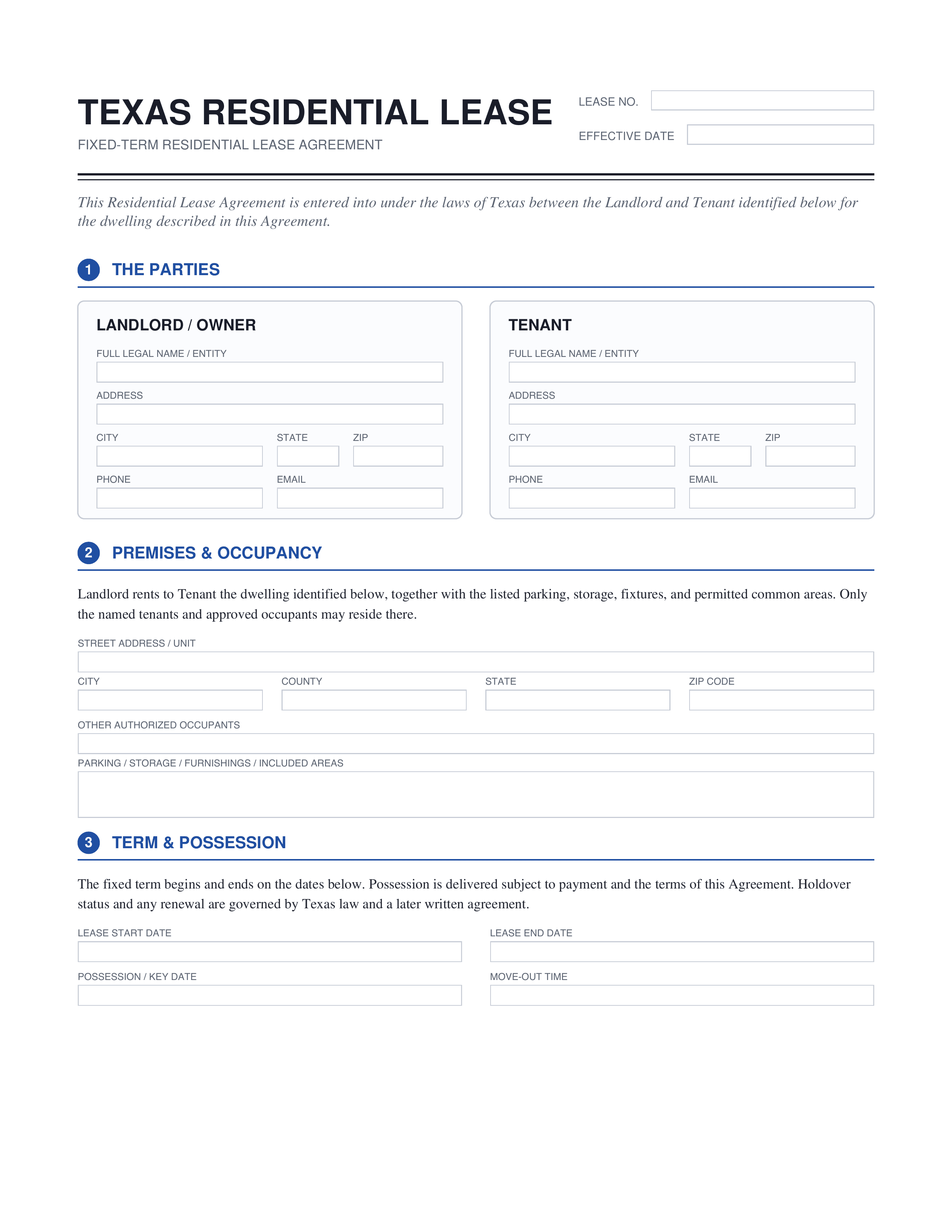
Texas Lease Agreement
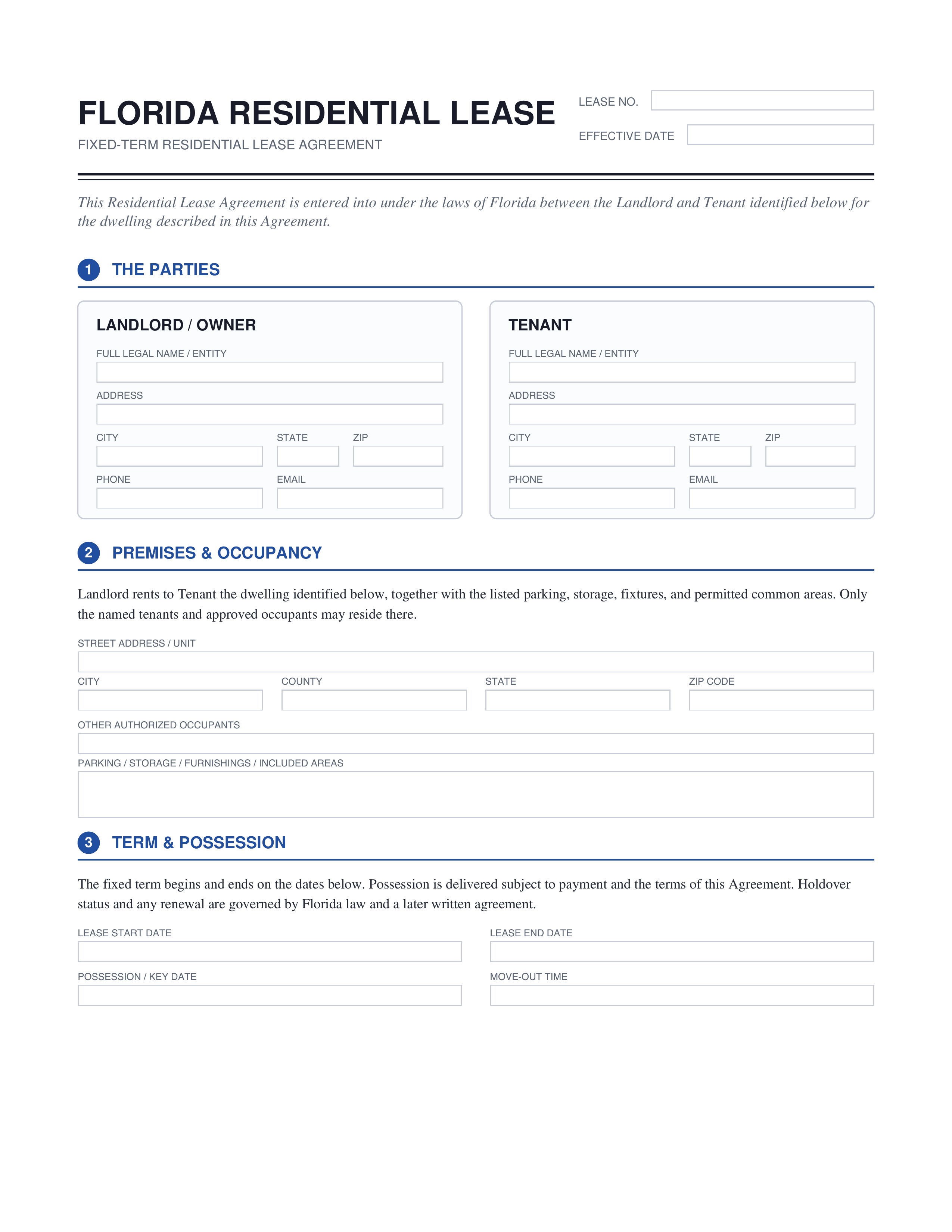
Florida Lease Agreement
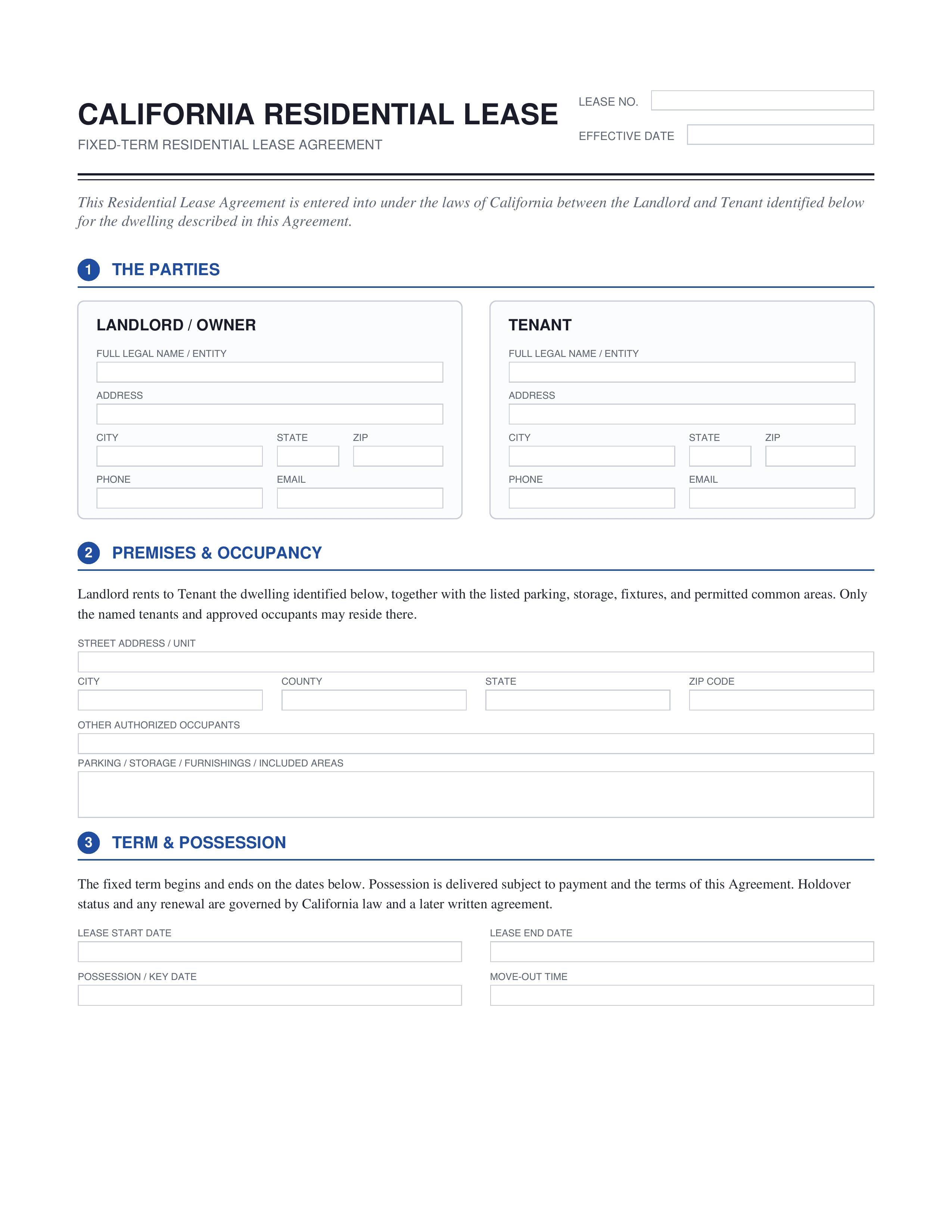
California Lease Agreement
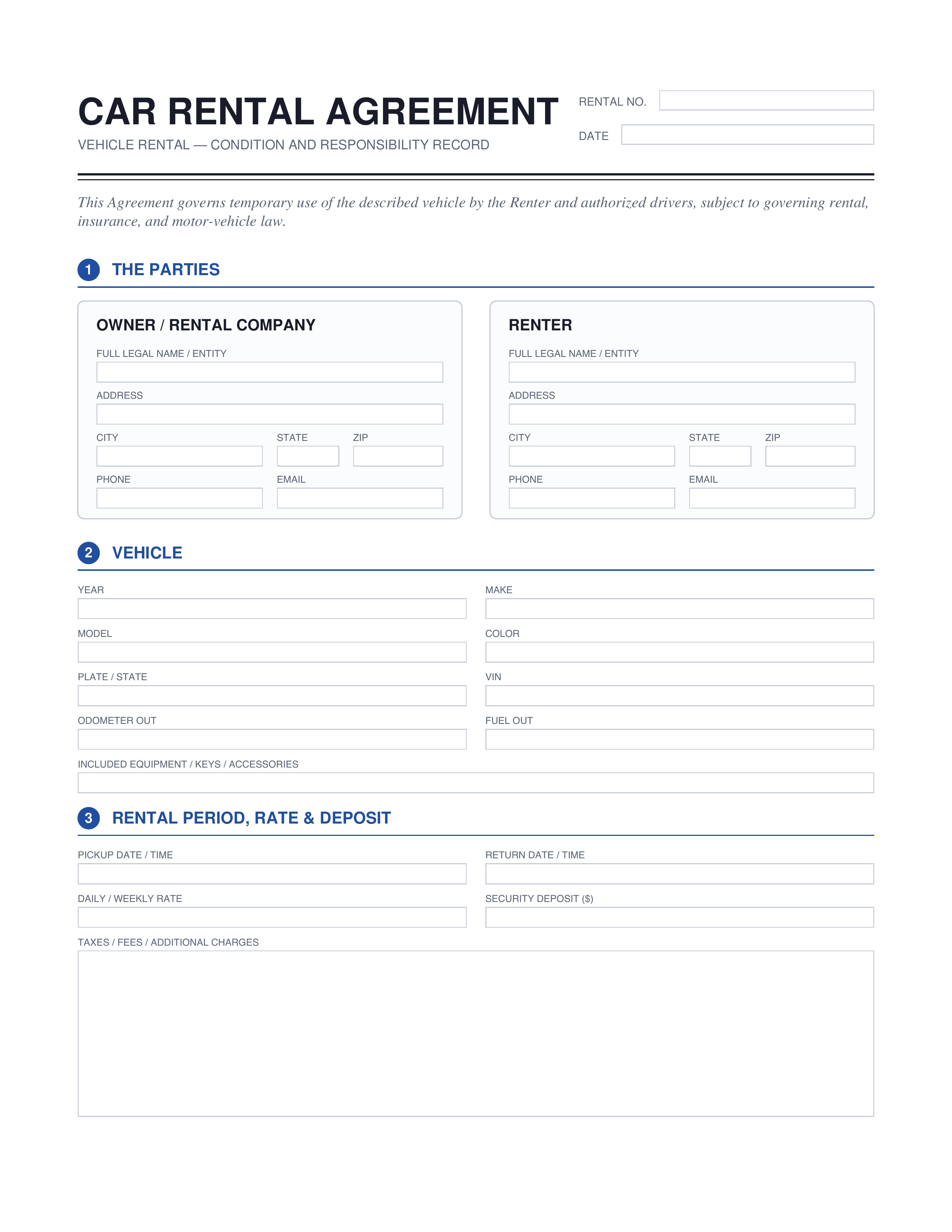
Car Rental Agreement
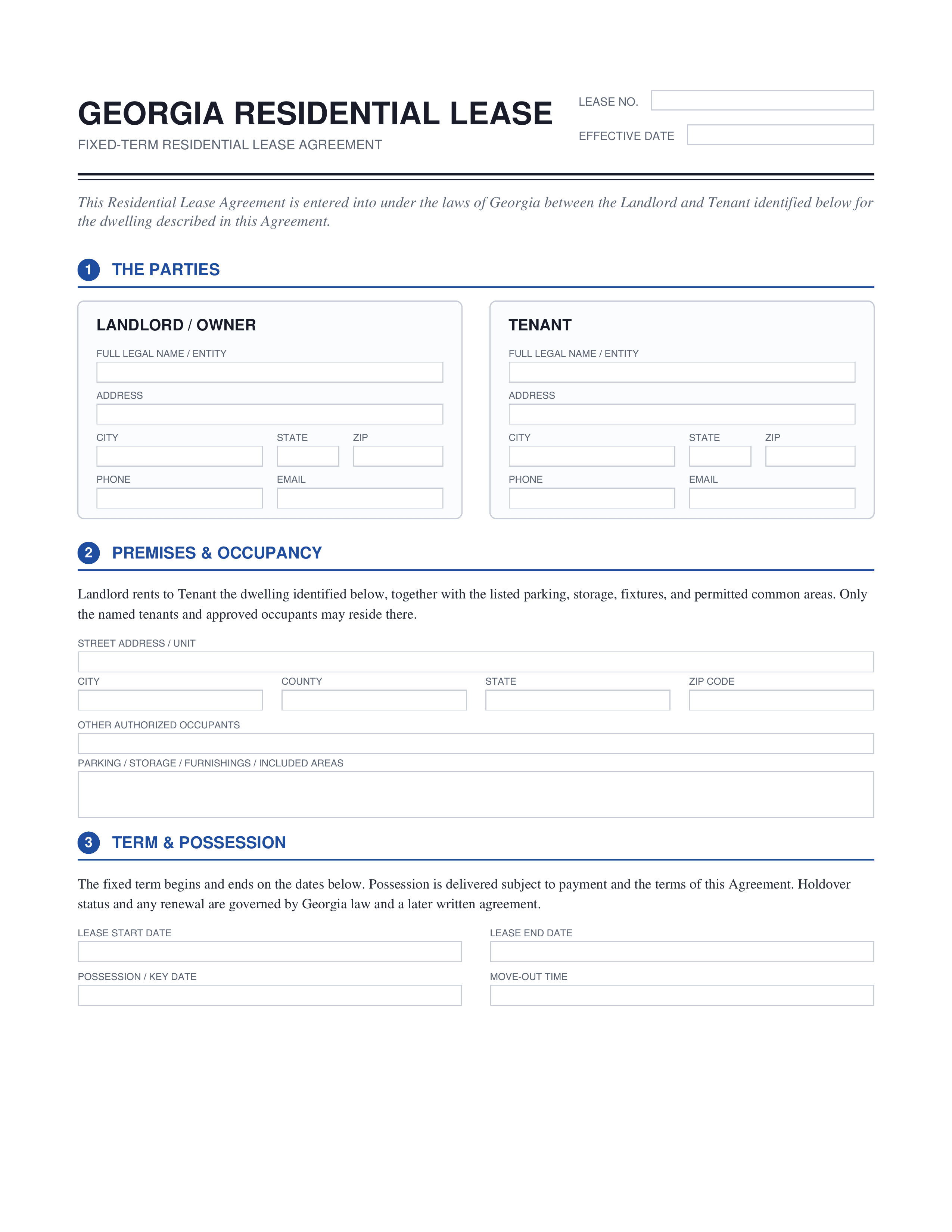
Georgia Lease Agreement
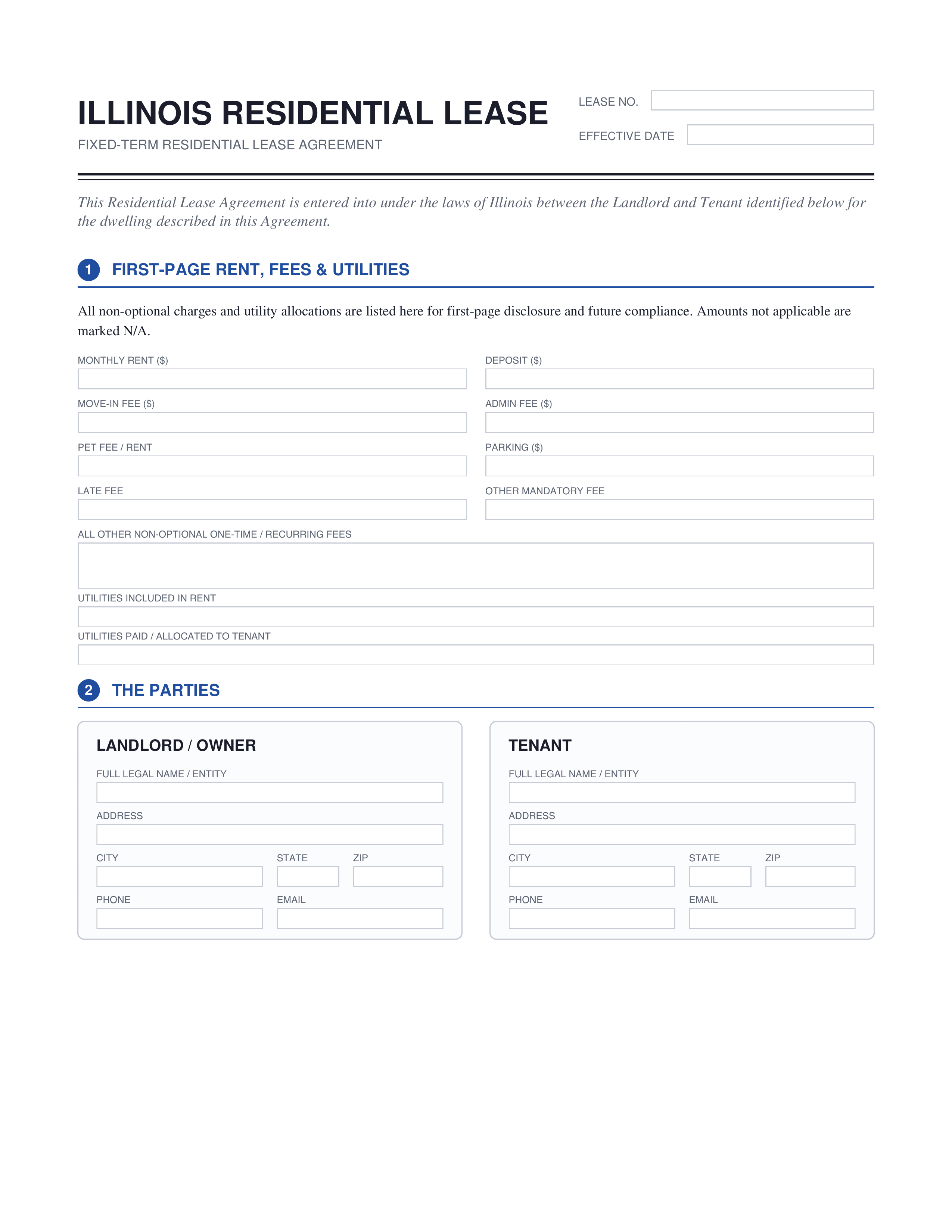
Illinois Lease Agreement
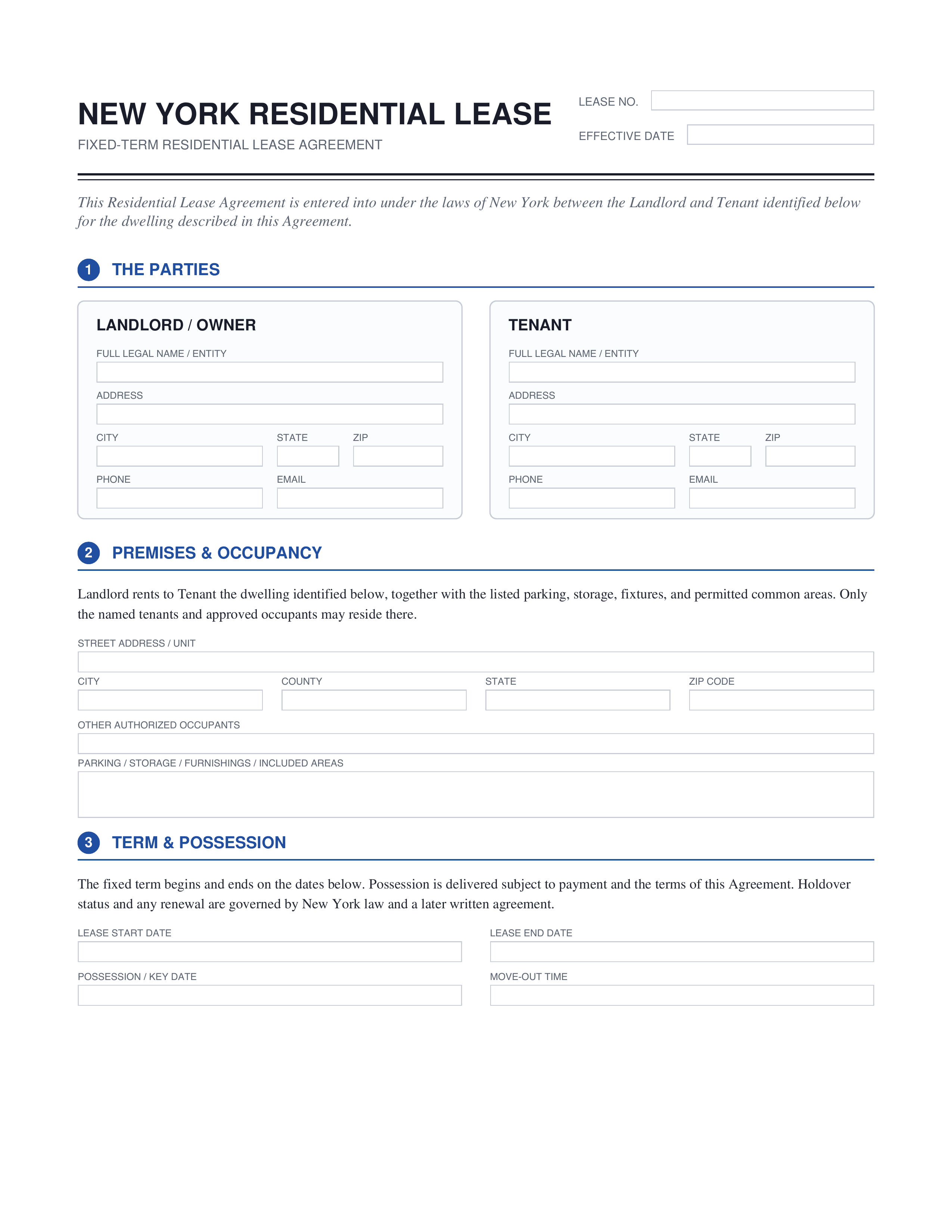
New York Lease Agreement
What is a lease agreement?
A lease agreement is a legally binding contract between a landlord and a tenant that outlines the terms and conditions for renting a property. It typically includes details such as the rental period, payment terms, and responsibilities of both parties. A signed lease agreement protects both the landlord's and tenant's rights, clarifying expectations and minimizing conflicts during the lease term.
What to include in a lease agreement?
Essential elements of a leasing contract template.
| Element | What it covers |
|---|---|
| Parties involved | The names of the tenant and landlord entering the contract. |
| Property details | The address and description of the rental property. |
| Lease term | Specifies the duration of the lease, including start and end dates. |
| Rent amount | The amount of rent to be paid and its due date. |
| Security deposit | The amount of security deposit required and the conditions for its return. |
When to use a lease agreement template
Property lease
For landlords renting out residential or commercial properties.
Lease paperwork
Handling documentation for a rental agreement form efficiently and accurately.
Drafting a lease agreement
To create a lease that suits particular needs, start by making a customized leasing contract template.
Current lease agreement
Updating or reviewing existing agreements to ensure adherence to terms.
Roommate agreement
Setting clear terms between roommates sharing a rental space.
How to make a lease agreement
Craft your lease in three easy steps.
Open a template
Begin by choosing a fillable lease agreement template tailored to your needs.
Fill in the template
Fill out the necessary fields with detailed information about the tenant and property.
Download the template
Save your editable lease agreement to review, print, and sign when ready.
Frequently asked questions




